Slide 1 of 4
Slide 2 of 4
Text “FAMILY” to 47226 for up to 20% off full price items
Slide 3 of 4
Slide 4 of 4
Your Browser Is No Longer Supported. Please use an alternative browser to improve your experience and security.
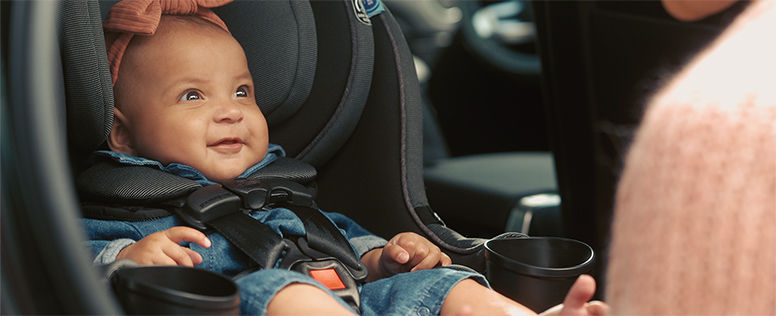
If you've ever installed a car seat and wondered, "Did I do this correctly?" you're not alone.
Keeping your child safe on every ride is one of the most important responsibilities of parenthood, but car seat installation can sometimes feel overwhelming. Between different vehicle designs, car seat features, and your child's changing needs as they grow, it's natural to have questions.
That's where a Certified Child Passenger Safety Technician (CPST) can help.
A CPST is a trained child passenger safety expert who can help you learn how to install, adjust, and use your child's car seat. Whether you're bringing home a newborn, moving to the next stage car seat, or simply looking for reassurance, a CPST can help you feel more confident every time you buckle your child in.
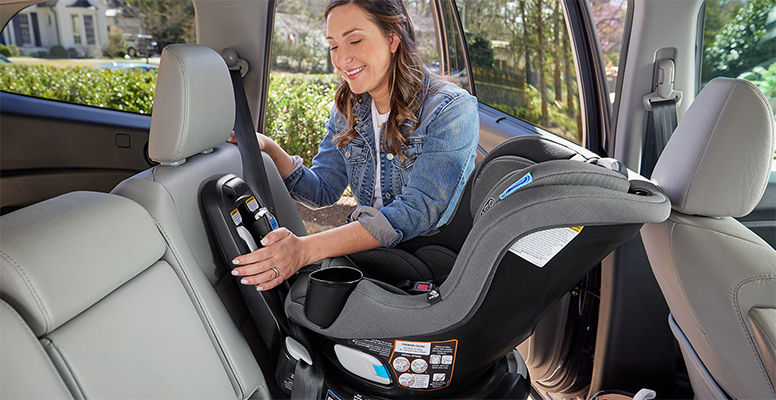
CPST stands for Certified Child Passenger Safety Technician.
A Certified Child Passenger Safety Technician is trained to help families install, adjust, and use car seats according to manufacturer instructions and current child passenger safety guidance.
These professionals, sometimes called car seat technicians, complete specialized training focused on child passenger safety, vehicle restraint systems, car seat installation, harness adjustment, and best practices for transporting children safely.
In many cases, CPSTs act as educators and resources for parents and caregivers. Their role isn't just to check your car seat installation. They help parents and caregivers understand how to use their child's car seat correctly according to both the car seat manufacturer's instructions and the vehicle owner's manual.
You may find CPSTs working in:
Their goal is simple: helping families better understand how to use their car seat every day.
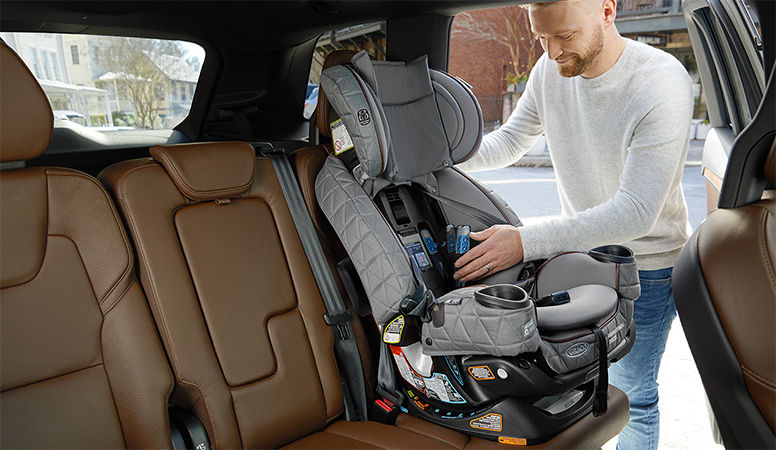
Many parents are surprised by how many factors can affect car seat installation.
Every vehicle is different. Every car seat is different. And every family's routine is unique.
You may be navigating questions about:
If you've had questions along the way, you're in good company. Seeking guidance doesn't mean you've done something wrong. It means you're committed to learning how to use your child's car seat correctly.

A CPST's primary role is education. Rather than simply telling you whether your car seat installation is correct, a CPST helps you understand how to properly install and use your car seat in your vehicle.
CPSTs are trained to evaluate installation, explain child passenger safety concepts, and help families understand how manufacturer instructions apply to their specific vehicle and car seat combination. They can also answer questions about harness fit, installation methods, and day-to-day car seat use.
A CPST may help with:
Rather than providing a one-time check, CPSTs focus on helping families build practical knowledge they can use as their child's needs and car seat setup evolve.
If you've never attended a car seat safety check, you may wonder what to expect.
Most appointments are hands-on and interactive. A CPST will typically begin by reviewing your vehicle, your child's car seat, and your current setup. They may also ask questions about your child's age, height, weight, and how the seat is used day to day.
A typical appointment may include:
Many parents are surprised to learn that a CPST often teaches rather than simply installs the seat for them. This approach helps caregivers become more familiar with the installation process and understand how to make future adjustments when needed.
While a car seat check is not required, many families find it helpful during major milestones or transitions.
A CPST may be especially helpful when:
As children grow, questions often change. What works for a newborn may look different for a toddler or preschooler. Some families also seek guidance after purchasing a new car seat or when they simply want reassurance that they are using their current seat correctly.
Whether you're using an infant car seat, convertible car seat, or booster seat, a CPST can help you better understand how the seat works with your vehicle and how to follow the manufacturer's instructions.
At Graco, we design our car seats with detailed installation guidance and user-friendly features to help support families through every stage. A CPST can provide additional support by helping you apply those instructions to your specific vehicle and daily routine.
While CPSTs are highly trained, it's important to understand the limits of their role.
A CPST cannot override instructions provided by your vehicle manufacturer or car seat manufacturer. They also cannot guarantee safety outcomes or predict performance in a crash.
A CPST generally cannot:
Always review your car seat manual and vehicle owner's manual and follow the instructions provided by the manufacturer. A CPST's guidance is designed to complement those resources, not replace them.
CPSTs are available in many communities throughout the United States, though availability can vary by location.
Families often begin their search through:
Before your car seat appointment, consider bringing both your vehicle owner's manual and your car seat manual. Having those resources available can help the CPST provide guidance tailored to your setup.
A CPST-certified professional has completed specialized training in child passenger safety, car seat installation, and proper child restraint use.
Yes. Bringing your vehicle owner's manual and car seat manual helps ensure the guidance you receive is specific to your vehicle and car seat combination.
Often, yes. A CPST can help explain installation considerations for each vehicle your child uses regularly.
Yes. CPSTs can provide guidance for infant car seats, convertible car seats, booster seats, and other child restraint systems.
Not usually. Many routine adjustments can be made by following your car seat manual. However, some families choose to schedule a check during major transitions or when questions arise.