Slide 1 of 4
Slide 2 of 4
Text “FAMILY” to 47226 for up to 20% off full price items
Slide 3 of 4
Slide 4 of 4
Your Browser Is No Longer Supported. Please use an alternative browser to improve your experience and security.
The early days of parenthood are full of firsts: first outfit, first bath, first (very cautious) drive home. And for that first ride—and the many that follow—having a properly installed, safe car seat isn’t just important. It’s essential.
Whether you're prepping for the hospital or transitioning your growing toddler into the next stage, this guide is here to make car seat safety feel manageable and less overwhelming. When it comes to protecting your little one, every detail matters, and you don’t have to figure it all out alone.
Here’s what every parent deserves to know before that first ride home and every ride after.
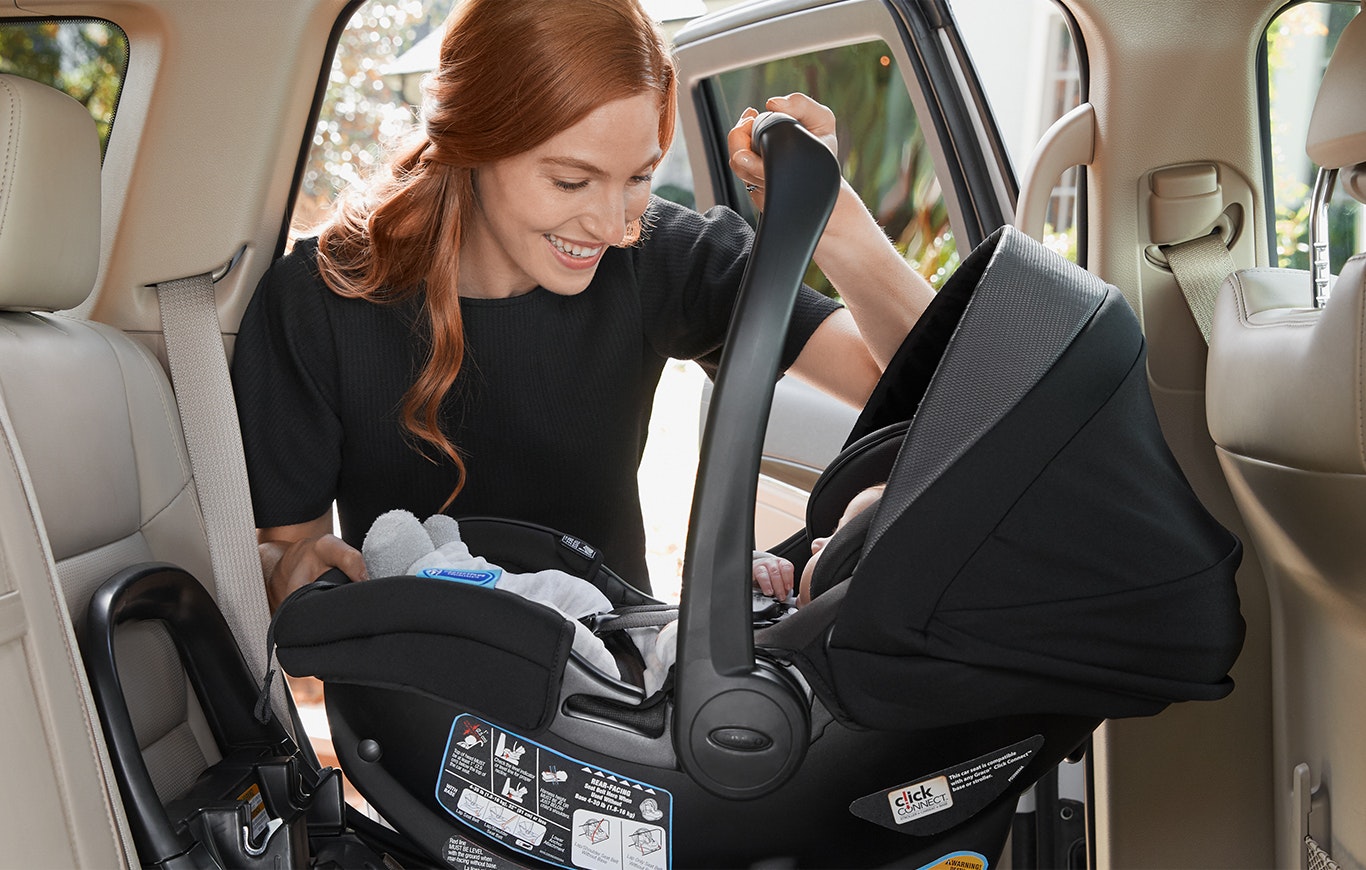
A baby's first car seat needs to do more than just look cozy. It should offer crucial support for the head, neck, and spine during one of the most delicate stages of development. As your child grows into toddlerhood, those safety needs evolve, but the goal remains the same: protection and comfort at every milestone.
There are a few different types of car seats on the market. Here are the main options you’ll come across:
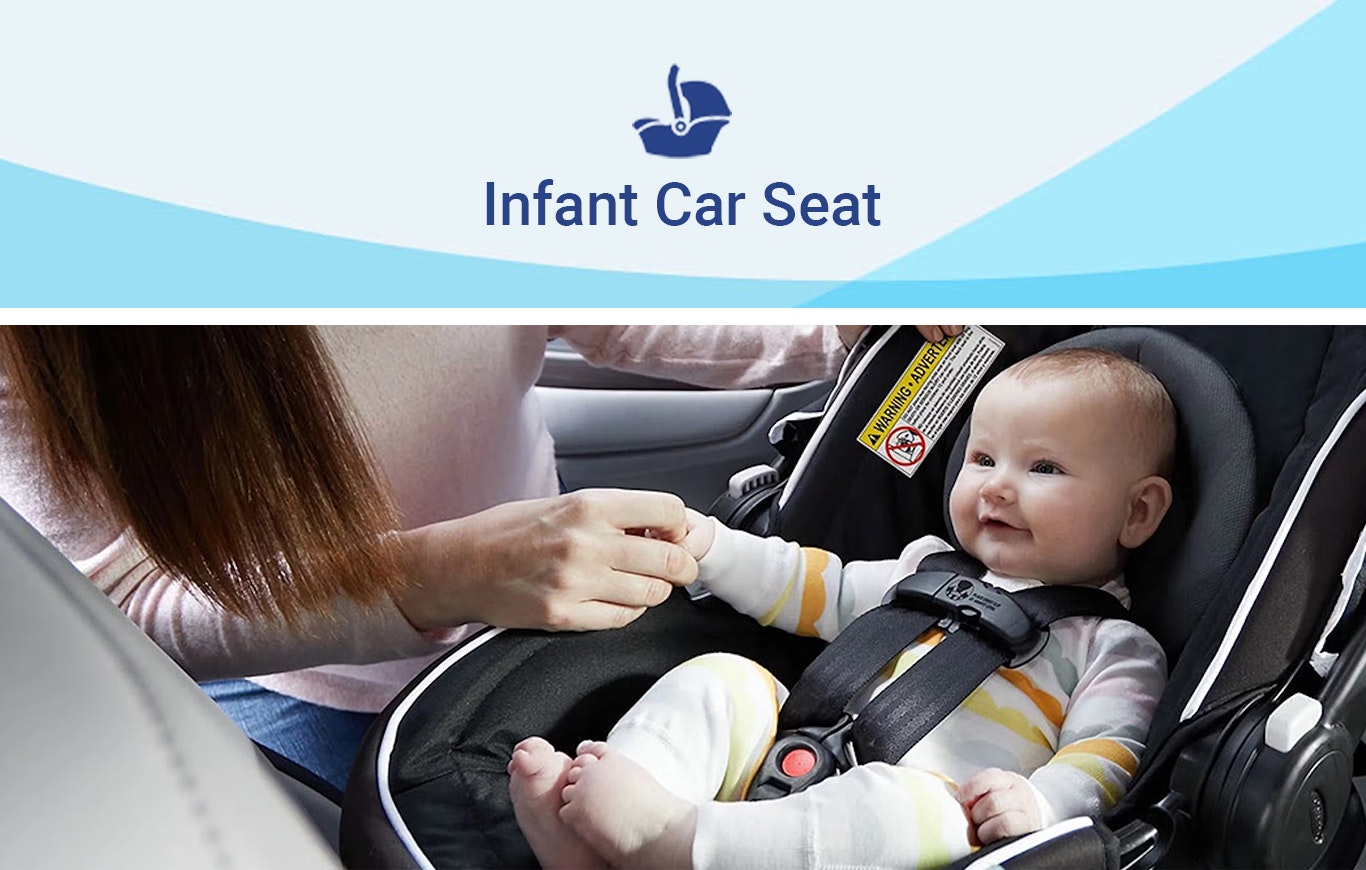
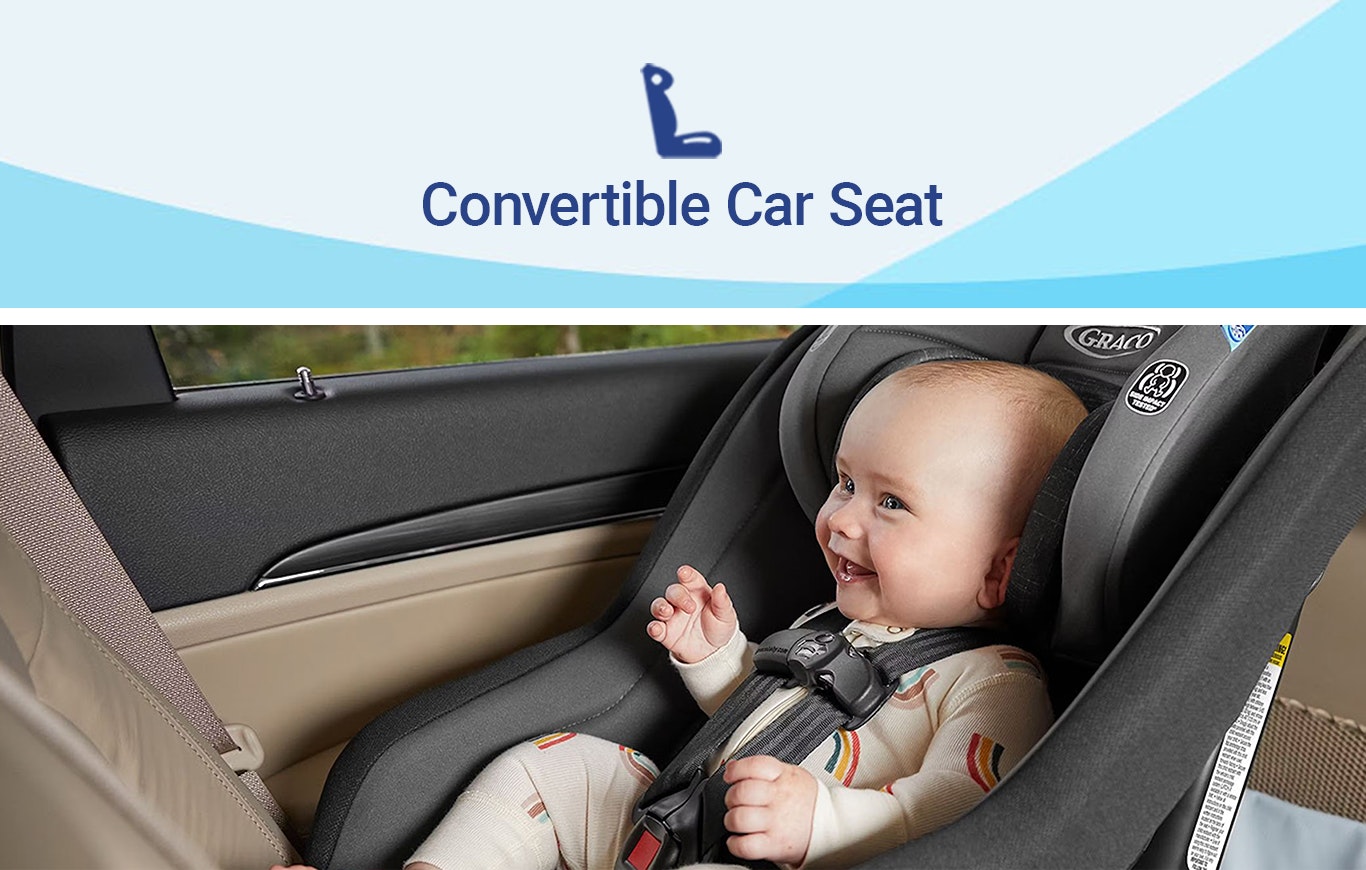

Whichever type you choose, make sure it includes features that support your baby or toddler’s safety and comfort.
When safety is an absolute priority, knowing what to look for can make all the difference, especially as your baby grows into a curious toddler who wants to explore everything.
Here’s what you should consider:
Graco car seats are designed to go above and beyond and are put through the most rigorous safety testing—covering both infant and toddler car seat safety standards.
Installing a car seat can feel intimidating at first. But with the right tools and a few insider tips, it becomes much simpler, whether it’s your newborn’s first ride home or your toddler’s first day of preschool.
Here’s what to check during installation:
Graco’s SnugLock® Technologyand rigid LATCH system* make installation quick and worry-free. With SnugLock®, parents can secure the seat in just three simple steps: route the belt, tighten it, and close the SnugLock® arm until the audible “click” confirms everything’s locked in place.
and rigid LATCH system* make installation quick and worry-free. With SnugLock®, parents can secure the seat in just three simple steps: route the belt, tighten it, and close the SnugLock® arm until the audible “click” confirms everything’s locked in place.
*On certain models.
Getting your child securely buckled in is just as important as correct installation. As babies become toddlers, their growing independence means you’ll need to double-check every strap and clip.
Follow these car seat rules every time:
Pro tip: Practice buckling a doll or stuffed animal before baby arrives and keep practicing as your toddler grows. Adjust harness height regularly to ensure a proper fit.
Infant and toddler car seats play a big role in your child’s adventures, offering everyday comfort and safety when it matters most. Knowing key safety timelines can help you avoid common slip-ups as your little one grows.
Here’s what to stay on top of:
Pro tip:Register your car seat with the manufacturer. It’s quick and ensures you’ll be notified of any recalls or safety updates.
Eventually, your baby will outgrow their infant car seat—but not based on age alone. In most cases, move to a convertible or all-in-one seat when they’ve exceeded the weight or height limit on your current seat.
Use a car seat weight and age chart as a guide, but remember:
After your toddler outgrows their forward-facing seat, the next step is a booster. Check booster seat requirements in your state and always follow manufacturer guidelines for weight and height before making the move.
As you navigate these early years of parenthood, know this: car seat safety doesn’t have to be overwhelming. With the right seat, proper installation, and a little guidance, you’re setting your child up for a smooth, secure ride every time. Always take a moment to read and follow the instructions and labels that come with your car seat—they’re there to help protect your little one.
To help you every step of the way, Graco offers how-to videos tailored to specific products, so you can install your car seat and harness your child with confidence.
At Graco, we’re here to make every decision easier, from choosing the right seat to getting it installed the right way. Our car seats are rigorously tested to grow with your family, because every ride matters and every detail counts.
You’ve got this. And we’ve got your back.
How long can my baby stay in a car seat?No more than two hours at a time when not traveling. Long stretches can affect breathing and posture
What are the current car seat requirements for infants and toddlers? All infants must be in a rear-facing seat with a 5-point harness, and according to the American Academy of Pediatrics , toddlers should remain rear-facing until they reach the seat’s height or weight limit.
Why is car seat safety important?Correct car seat use can reduce the risk of serious injury in a crash by more than 70%. To protect your child, each Graco car seat is engineered and tested to meet or exceed industry standards.
When do kids stop using car seats?Not for a while. After infant and toddler seats come boosters. Many kids use a seat until they’re 4’9”, per booster seat requirements.
What should parents know about newborn and toddler car seat safety?Proper fit, installation, and recline are key for infants. As your child grows, adjust harness height, tether use, and recline to keep them safe and comfortable through each stage.