Slide 1 of 3
Text “FAMILY” to 47226 for up to 20% off full price items
Slide 2 of 3
Slide 3 of 3
Your Browser Is No Longer Supported. Please use an alternative browser to improve your experience and security.
Whenresearching car seats, many parents come across the term “LATCH system” and wonder what it really means for their baby and their vehicle.
It often appears in product descriptions or comparison charts, listed as an important feature but not always clearly explained. For parents preparing to install a car seat, especially for the first time, that lack of clarity can raise important questions about what LATCH does, how it works, and when to use it.
We’re here to walk through those basics with you. We’ll explain what the LATCH system is, how it’s typically used, and what to keep in mind when deciding between LATCH and a vehicle seat belt, so you can feel more confident when shopping for or installing your car seat.
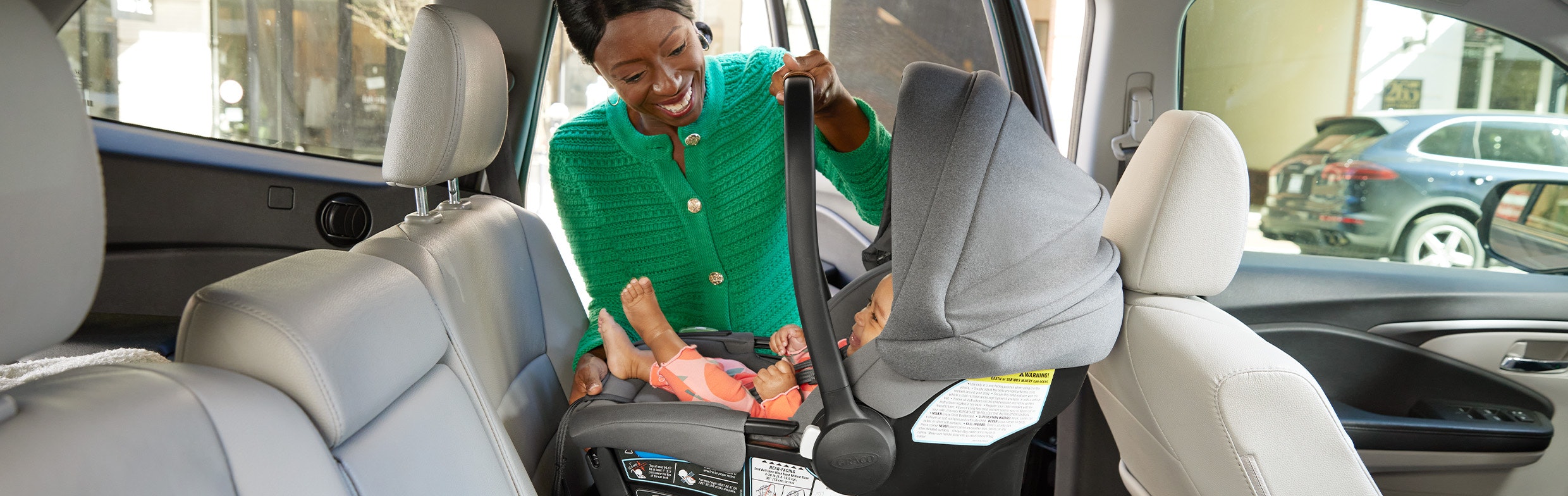
TheLATCH system, short for Lower Anchors and Tethers for Children, is one method used to attach a car seat to a vehicle.
LATCH includes lower anchors, which can be used as an alternative to the vehicle seat belt to secure the car seat, base, and a top tether, which is used with most forward-facing harness installations.
Vehicles manufactured after 2002 are required to have LATCH anchor points in at least two rear seating positions, typically the outboard seats. Some vehicles may also include LATCH anchors in the center seat or in a third row, especially in SUVs and vans. Checking both your vehicle owner’s manual and your car seat manual is the best way to confirm where and how LATCH can be used.
Lower anchors are a pair of metal bars located in the crease of the vehicle seat. Car seats connect to these anchors using either flexible lower anchor attachments or rigid connectors, depending on the seat’s design.
The top tether is a strap attached to the upper portion of a forward-facing harness seat. It connects to a designated tether anchor point in the vehicle. Tether anchors are located in different places depending on the vehicle, often behind the seat where the car seat is installed. In some vehicles, the tether anchor may need to be accessed through the trunk or cargo area. Always consult your vehicle owner’s manual to confirm the correct location.
Rear-facing installations typically use either lower anchors or the vehicle seat belt, but not the top tether unless the car seat manual specifically allows it. For forward-facing harness seats, the top tether should be used when a tether anchor is available, whether the seat is installed with lower anchor attachments or the vehicle seat belt.
Most car seats in the United States use flexible lower anchor attachments, which connects to the vehicle’s lower anchors using adjustable straps and hooks. This setup works across a wide range of vehicles and seating positions.
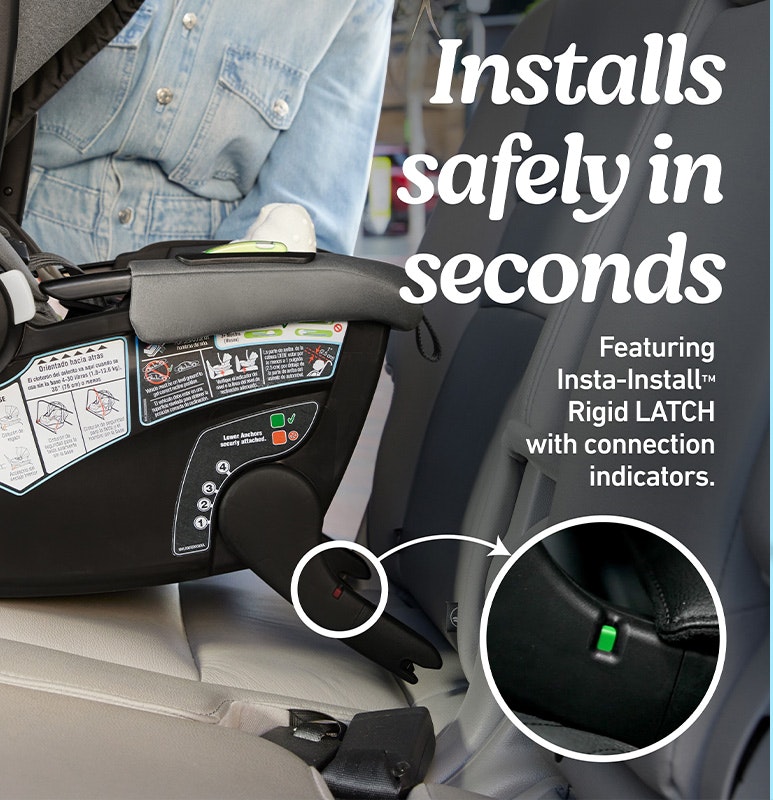
Some car seats use rigid lower anchor attachments, built-in connectors that attach directly to the lower anchors instead of a long webbing strap. Always follow your car seat’s instructions to confirm the connection is fully engaged.
For example, theGraco® GoMax™ Infant Car Seat with Insta-Install™ Rigid LATCHuses color indicators that change from red to green when the seat is properly attached. As with any car seat, compatibility and instructions should be confirmed in the manual.
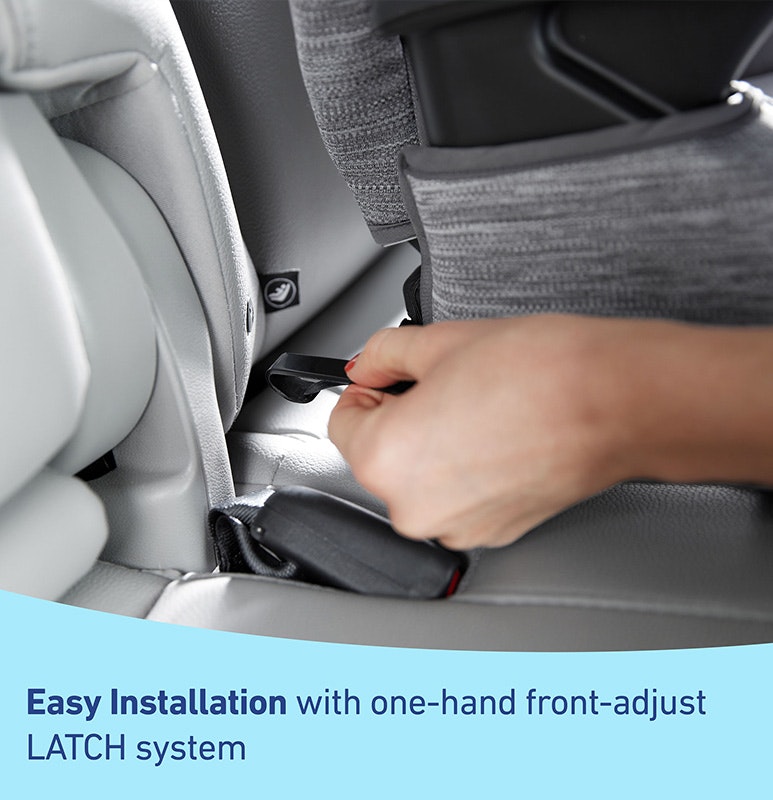
Every family and vehicle setup is a little different. Some caregivers prefer LATCH because it can provide a consistent installation approach across different vehicles and seating positions.
Caregivers may use LATCH because it:
Graco car seats are tested using both LATCH and seat belt installation methods to help ensure safe, reliable performance when used according to instructions. The method you choose often depends on your vehicle design, seating position and size of your child, and which approach allows for proper installation based on both manuals.
Car seat installation steps vary by model, but many LATCH installations follow a similar sequence outlined in the car seat manual.
This often includes:
Some Graco car seats, such as theEasyTurn™ 360 2-in-1 Rotating Convertible Car Seat, include SnugLock® technology, which is designed to support quicker and easier installation in under a minute using either lower anchor attachments or the vehicle seat belt. It also features push-button InRight™ LATCH with an audible click to help ensure secure attachment, along with an easy-to-read level indicator to help simplify installation.
Caregivers often have questions about whether to use lower anchor attachments or the vehicle seat belt. Both are approved installation methods when used according to manufacturer instructions.
However, lower anchor attachments and the vehicle seat belt should not be used together unless the car seat manual specifically states that it is permitted. Installation should follow one method at a time.
As your child grows, installation needs can change. Use of the LATCH system is limited by the combined weight of the child and the car seat, and these limits vary by model. Graco provides a maximum child weight for lower anchor use in the car seat manual when applicable. Always follow the weight limit listed in your car seat manual to know when to switch to seat belt installation.
Once the applicable lower anchor attachment limit is reached:
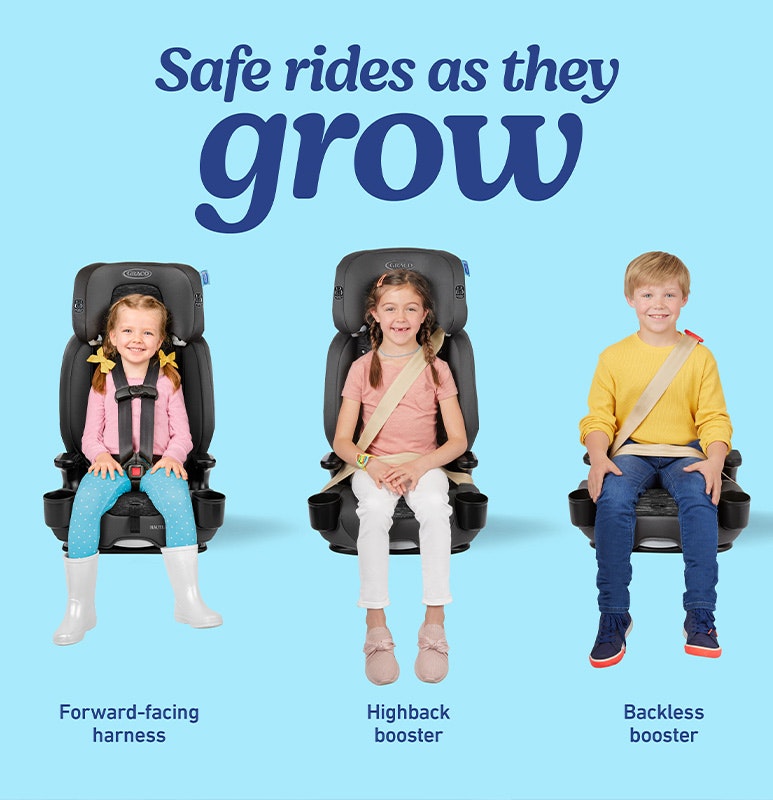
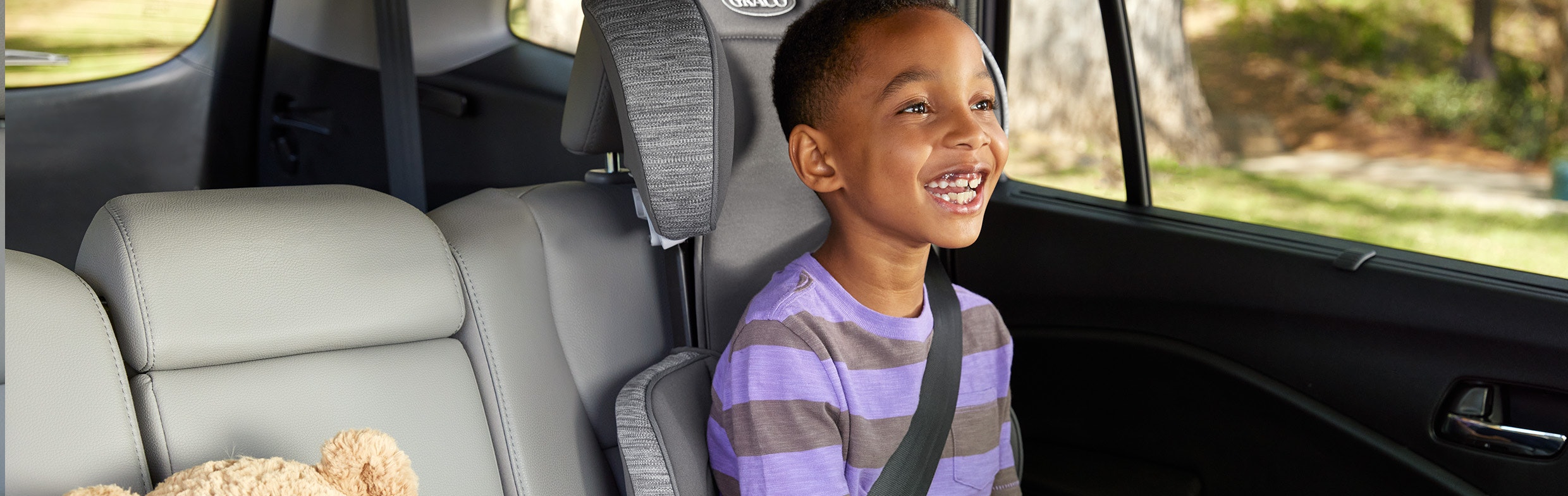
For booster seats, the vehicle seat belt restrains the child. When LATCH is included and permitted by the manufacturer’s instructions on a booster, it is typically used to help keep the booster from shifting when it’s not occupied.
The LATCH system may apply at some stages and not others, depending on the car seat design, the child’s size, and vehicle guidance.
Graco car seatsinclude clear labels, detailed manuals, and features like SnugLock® Technology and Insta-Install™ Rigid LATCH to support proper use. When questions arise, a Certified Child Passenger Safety Technician (CPST) can offer guidance tailored to a specific vehicle and seat.
Understanding how LATCH applies across stages can help caregivers make informed decisions as needs change.
In some vehicles, yes. In others, the center seating position may not support LATCH use. Vehicle and car seat instruction manuals provide the most accurate guidance.
No. Some booster seats include lower anchor attachments, while others do not. When present, LATCH on a booster typically keeps the seat steady for easy self-buckling and properly in place when unoccupied.
Car seats can be installed using the vehicle seat belt when LATCH is not available. The car seat manual outlines how to do this correctly.
Car seat manuals explain how to check for movement at the belt path. Those instructions are the best reference for confirming installation.
Rechecking installation can be useful after adjustments, cleaning, or moving the seat between vehicles.