Slide 1 of 4
Slide 2 of 4
Text “FAMILY” to 47226 for up to 20% off full price items
Slide 3 of 4
Slide 4 of 4
Your Browser Is No Longer Supported. Please use an alternative browser to improve your experience and security.
Car seat transitions are a big deal, for your baby and for you. And if you’ve found yourself wondering, “When can a child be forward-facing in a car seat?” you’re not alone.
Every child grows at their own pace. While it might feel tempting to turn the car seat around early (especially when those little legs start looking a bit scrunched), safety experts agree: rear-facing is the safest position for your child as long as they still fit the seat.
In this guide, we’ll help you understand when to switch to a forward-facing car seat, what signs to look for, and how to make the transition feel smoother for both of you.
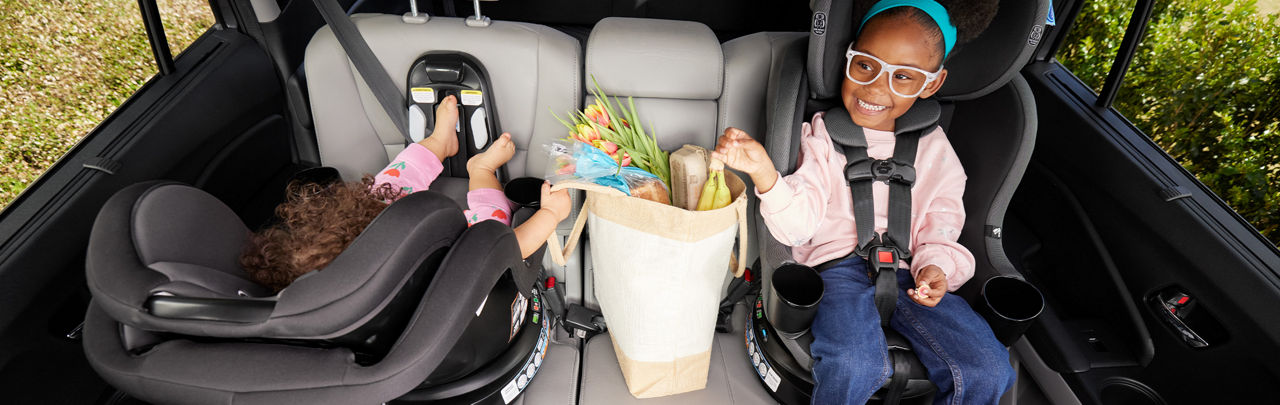
If you’ve ever asked, “Why is rear-facing safer than forward-facing?”, this is the reason: it gives your child’s growing body more protection, especially in the event of a sudden stop or frontal crash.
Organizations like the American Academy of Pediatrics (AAP) and the National Highway Traffic Safety Administration (NHTSA) recommend rear-facing for as long as possible. This position helps protect your child’s head, neck, and spine by distributing crash forces more evenly across the seat.
While it might look like your toddler is running out of space, bent or crossed legs are completely normal in rear-facing mode.
Graco pick for extended rear-facing support:
The Graco® Extend2Fit® Convertible Car Seat is built for extended rear-facing, with a 4-position extension panel that adds up to 5 inches of legroom. It supports children from 4 to 50 lb rear-facing and 26.5 to 65 lb forward-facing, so your child stays safe and comfortable longer.
There’s no one-size-fits-all age for switching. Instead, the decision is based on your child’s fit and your car seat’s size limits.
Check your car seat’s label or manual for the rear-facing height and weight limits. Once your child reaches one of those limits, it’s time to transition to the next stage.
Many seats go up to 40 or 50 lb in rear-facing mode and also require at least 1 inch of space between the top of your child’s head and the seat shell. Reviewing these guidelines and confirming your child still meets them helps ensure they continue riding safely.
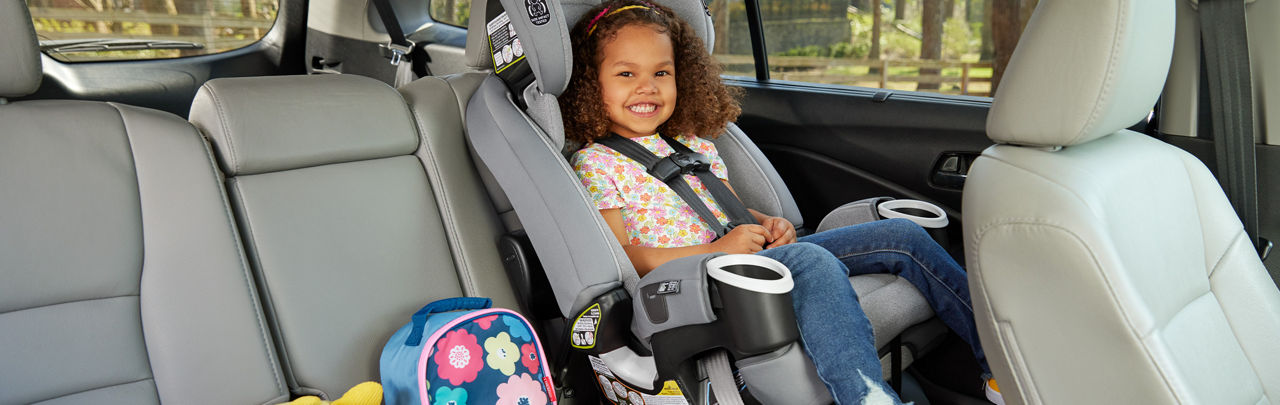
Once your child has outgrown rear-facing mode, it’s time to install their car seat forward-facing. If you’re wondering what age a child can face forward in a car seat, the safest answer is simple: when they’ve reached the rear-facing height or weight limits of their specific seat, not just because they’ve had a birthday.
When your child transitions to forward-facing, they’ll continue riding in a car seat with a 5-point harness. While the orientation changes, safety remains the priority, and a proper setup helps ensure your child is protected on every ride.
Here’s how to make the switch safely:
Graco picks that grow with your child:
Both seats feature Graco’s Simply Safe Adjust™ no-rethread harness system and are ProtectPlus Engineered™ to help keep growing kids secure, because real life calls for safety that adapts as easily as your family does.
Still unsure? A Certified Child Passenger Safety Technician (CPST) can help check your installation and answer any questions, so you can feel confident every time you buckle up.
There’s no perfect age to turn the seat around. It depends on your child’s size and your car seat’s limits. Some kids are ready earlier than others, and that’s okay.
What matters most is following the guidelines and feeling confident in your decision. Whether you’re navigating forward-facing car seat age recommendations or double-checking weight limits, your car seat’s label is always your best starting point.
While most states will allow little ones to face forward at 2 years old, there’s more to consider than just age. The safest time to make the switch is when your child has fully outgrown the rear-facing height or weight limits listed on their car seat.
Rear-facing protects your child’s head, neck, and spine by distributing crash forces across the entire seat. It’s the safest position during early development, especially in the event of a sudden stop or collision.*
Make sure your child has reached the rear-facing size limit on their seat. Your child must also meet the minimum forward-facing size requirements of the car seat and vehicle. If they do, then ensure the harness is adjusted correctly so that it’s snug and sitting at or just above the shoulders.
*Looking for more expert tips on child car seat safety? Visit Ohio State University’s Buckle Up with Brutus page to learn more.