Slide 1 of 4
Slide 2 of 4
Text “FAMILY” to 47226 for up to 20% off full price items
Slide 3 of 4
Slide 4 of 4
Your Browser Is No Longer Supported. Please use an alternative browser to improve your experience and security.
Choosing a car seat can sometimes feel like learning a new language, with terms and features that aren’t always easy to understand. As parents, you’re not just sorting through options. You’re thinking about safety, ease of use, and what truly fits your child and your daily routine.
One feature you might see pop up in your searches is the anti-rebound bar. The name might sound technical, but the idea is simple once you break it down.
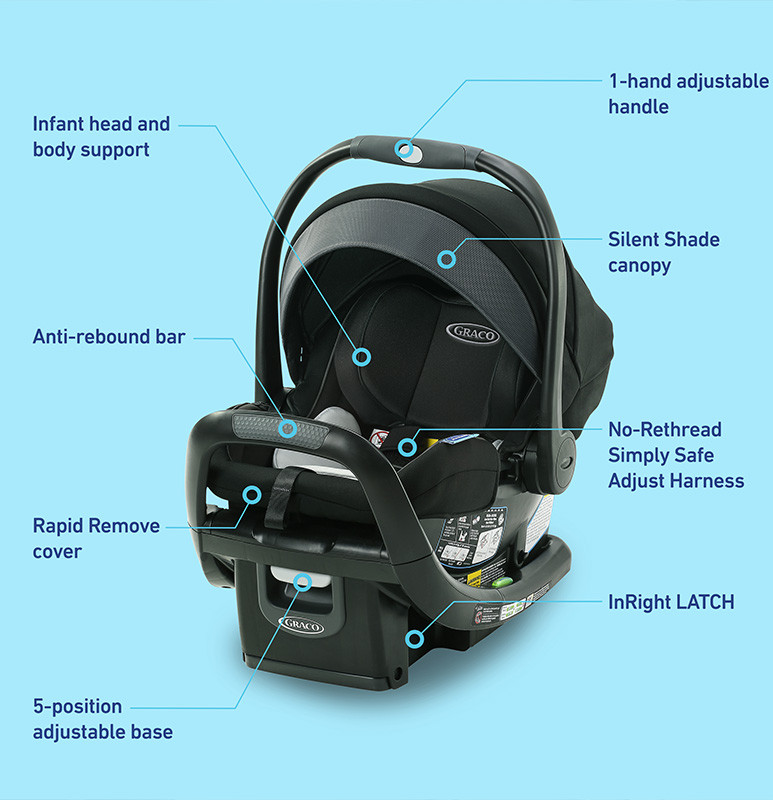
An anti-rebound bar is a feature on some rear-facing car seats that helps limit how much the seat moves backward after an initial forward motion. It’s designed to help reduce rearward rotation and support more controlled movement as part of the car seat’s overall design.
You will typically find it built into the base or structure of some rear-facing car seats, though the exact design can vary.
An anti-rebound bar is a structural component on some rear-facing car seats that limits the rearward rotation of the car seat and reduces the crash forces felt by the child.
Depending on the model, it can be:
This safety feature is used in rear-facing mode and works alongside other parts of the car seat. While the design may look different from one model to another, the purpose stays the same.
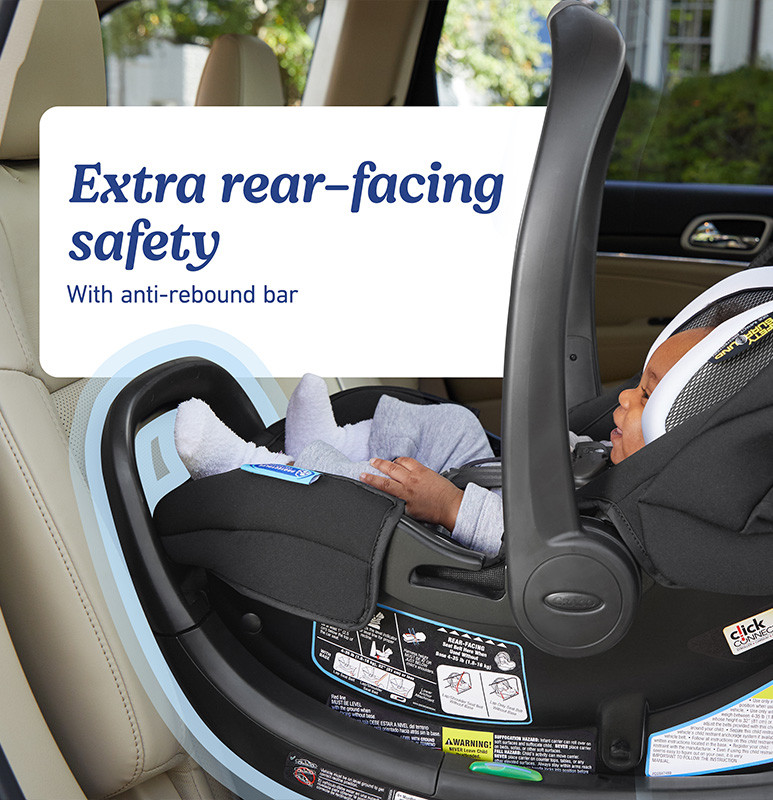
In a car crash, rebound refers to the backward motion that can happen after the car seat moves forward.
Basically, when a vehicle slows suddenly, everything inside moves forward first and then shifts back in the opposite direction. This return movement is a normal part of crash motion, and features like an anti-rebound bar are designed with this type of movement in mind.
An anti-rebound bar helps limit how far a rear-facing car seat moves backward after the initial forward motion.
In many cases, the bar rests against the vehicle seat. This can help:
In simple terms, the anti-rebound bar helps manage how the car seat moves in the event of an impact.
It’s important to remember that this feature is one part of a larger system. Always install and use the car seat according to manufacturer instructions.
By helping manage rearward movement, anti-rebound bars are designed to support overall seat stability in the event of an impact.
Anti-rebound bars can be found on different types of rear-facing car seats, and the design can vary depending on the model.
You might see this feature on:
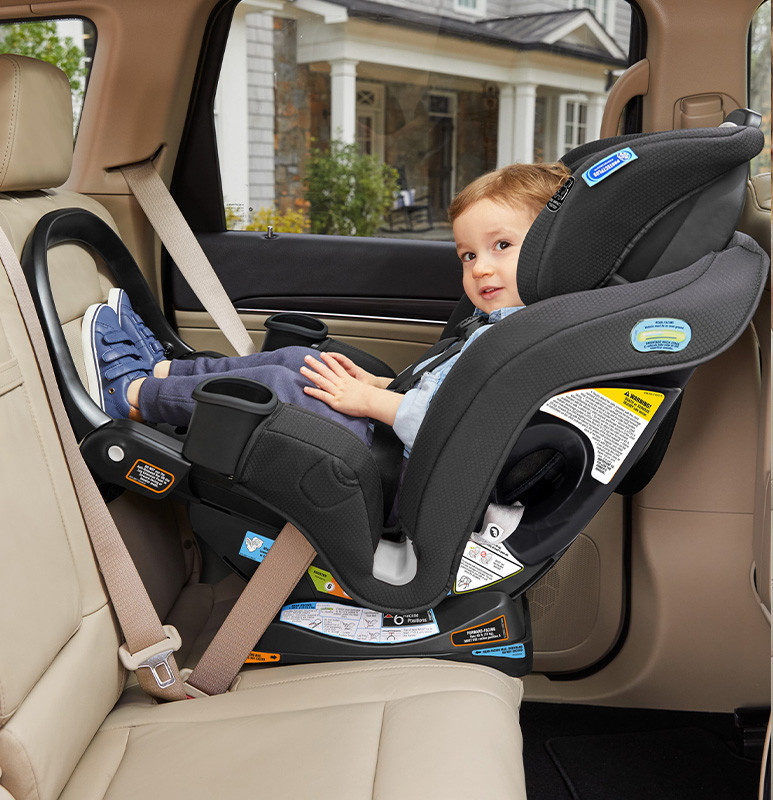
For example, the Graco Extend2Fit® 3-in-1 Car Seat featuring Anti-Rebound Bar offers a multi-stage design that transitions from rear-facing to forward-facing and high-back booster modes. In rear-facing mode, its anti-rebound bar helps limit rotation of the seat and your child in the event of an impact.
Infant options like the SnugRide® SnugFit™ DLX Infant Car Seat pair the anti-rebound bar with features designed to simplify installation, such as SnugLock® technology and an easy-to-read level indicator.
Because designs vary, definitely review the product details and your manual to understand how the feature works and how it fits into your setup.
No. In the United States, a car seat does not need an anti-rebound bar to meet safety standards.
For many families, proper installation and correct daily use matter most. An anti-rebound bar may be one of several features you consider as you compare options, depending on what feels most important to you.
If your car seat includes an anti-rebound bar, take a few extra moments to understand how it works for your specific model.
Keep in mind:
A little time spent here can make everyday use feel easier.
An anti-rebound bar is a safety feature on some rear-facing car seats that helps limit rearward rotation.
Here’s what to keep in mind:
Always follow your product manual for guidance on using this feature with your car seat.
No. Some models include this feature, while others do not.
In some models, yes. Depending on the design, it may be built in or designed to be adjusted or removed when switching between modes. Always check your product manual for details.
In some cases, yes. It may change how the seat rests against the vehicle seat, which is why proper installation is important.
Yes. This feature is designed for rear-facing configurations and may not be used in other modes.
Check how the anti-rebound bar fits with your vehicle and review both the car seat and vehicle manuals for installation guidance and seating position recommendations.